
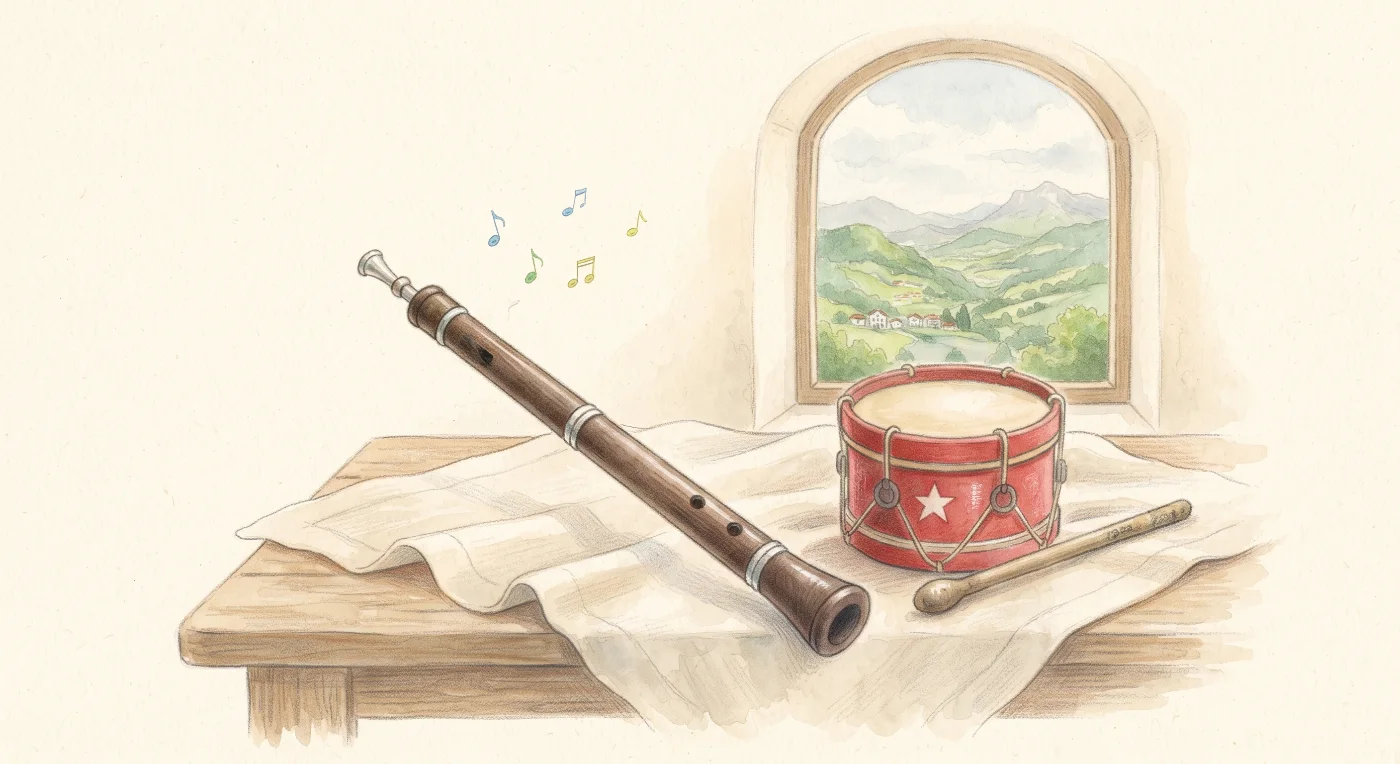

What is the dizi?
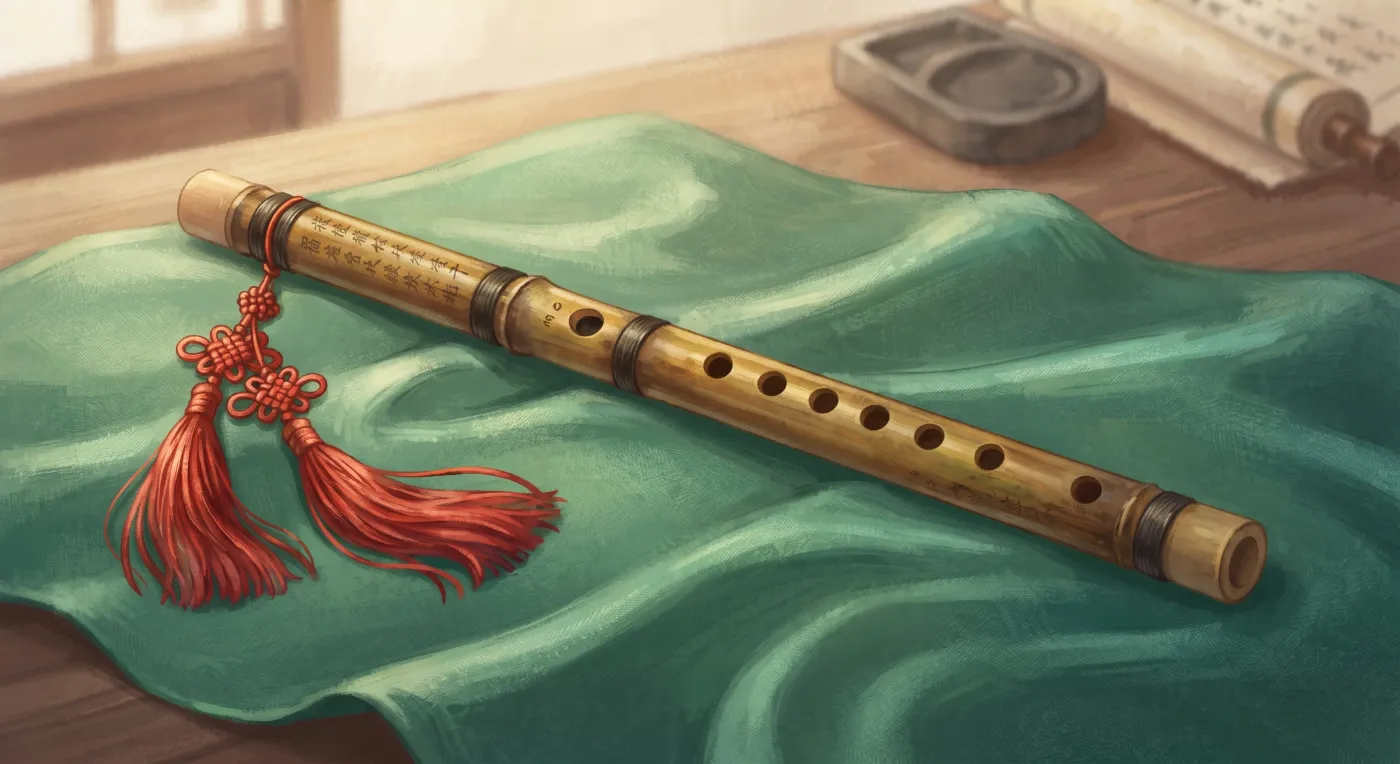
The dizi (say "dee-dzuh") is China's bamboo flute, held to the side like a concert flute. What makes it unlike any other flute is a tiny paper-thin membrane that buzzes as you play and gives it its bright, singing voice.
Bamboo, holes and a membrane
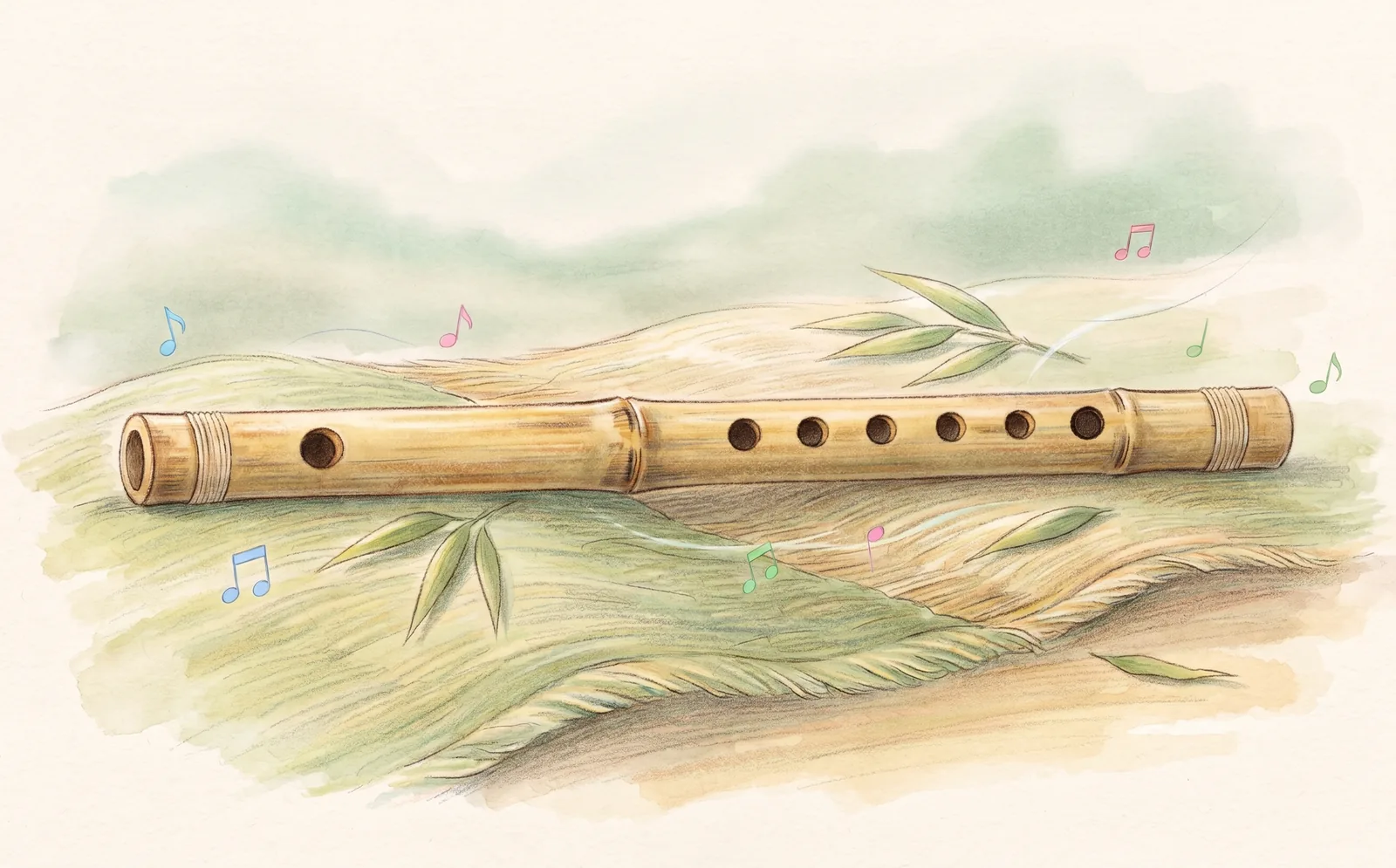
A dizi is a tube of bamboo with a mouth hole to blow across and six finger holes. Between them is one more hole, covered with a thin membrane called the dimo. When you play, the membrane vibrates with the air and adds a shimmering buzz to every note.
Players glue the membrane on themselves, just slightly wrinkled: how they put it on changes the sound.
Two families
The bangdi is short and high, with a bright, lively sound from the north of China, where it plays with the clapping rhythms of local opera. The qudi is longer and lower, gentle and smooth, from the south, where it accompanies the old kunqu opera. Beginners usually start on a middle-sized dizi in G or F.
Very old flutes
Flutes have been played in China for a very long time: bone flutes about 9,000 years old were found at Jiahu, in central China, and some can still play notes. The bamboo dizi with its membrane came much later, and today it's one of China's best-loved instruments, played by millions of children and grown-ups.