
Learn the six-hole flute, one note at a time
An interactive six-hole flute teacher that listens and watches. The tin whistle, low whistle, Irish flute, bansuri, dizi and sopilka share one fingering, so they share one course and one song set. Pick yours; it sounds and looks like yours. It hears your notes and paints the fingering on your own hands. No camera? It works by ear alone.
Tin whistle
Still being tested: found a mistake in the six-hole flute's fingering or sounds? Tell us ›
- Free lessons
- Nothing to install
- Camera and microphone stay on your device
Tin whistle
Can you play the six-hole flute?
Not enough people have played it in our lessons yet for us to be sure they're accurate. If you have the time, try the lessons and tell us how they felt: you'd help keep an old way of making music alive, and pass it on to children who've never heard it.
Pick your flute
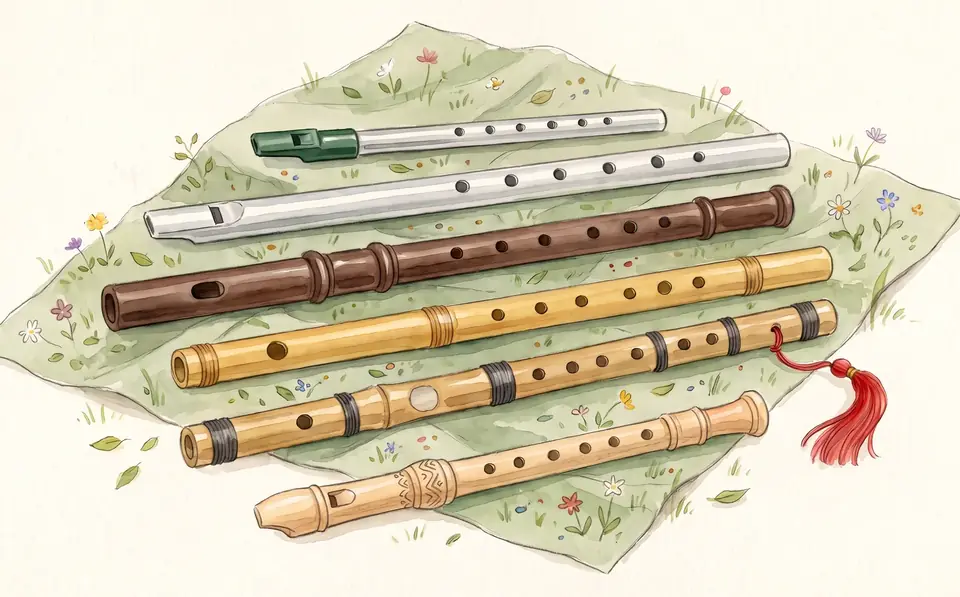
Six flutes, one fingering. Each keeps its own page, its own sound and its own words.
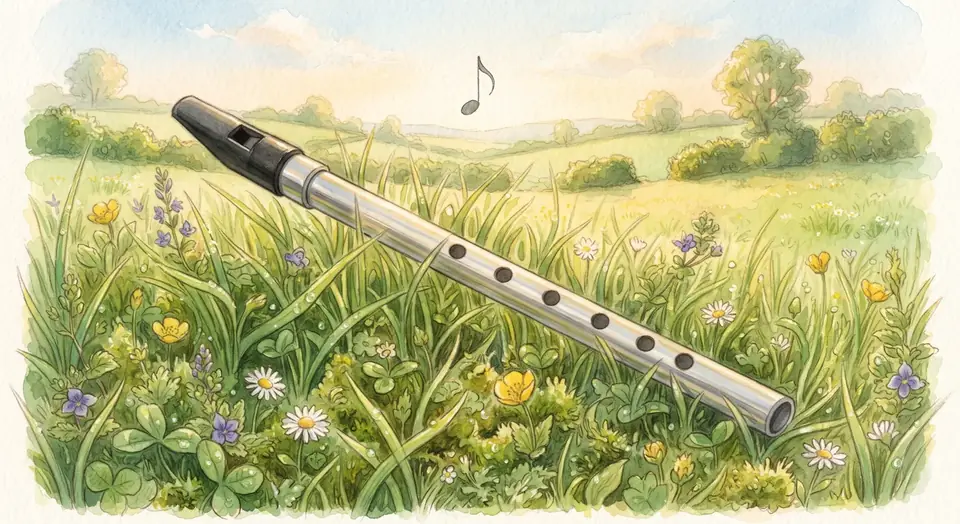
Tin whistle
The little metal whistle of Irish and folk music: six holes, blown gently through its mouthpiece. The same fingers play two octaves; your breath chooses which.
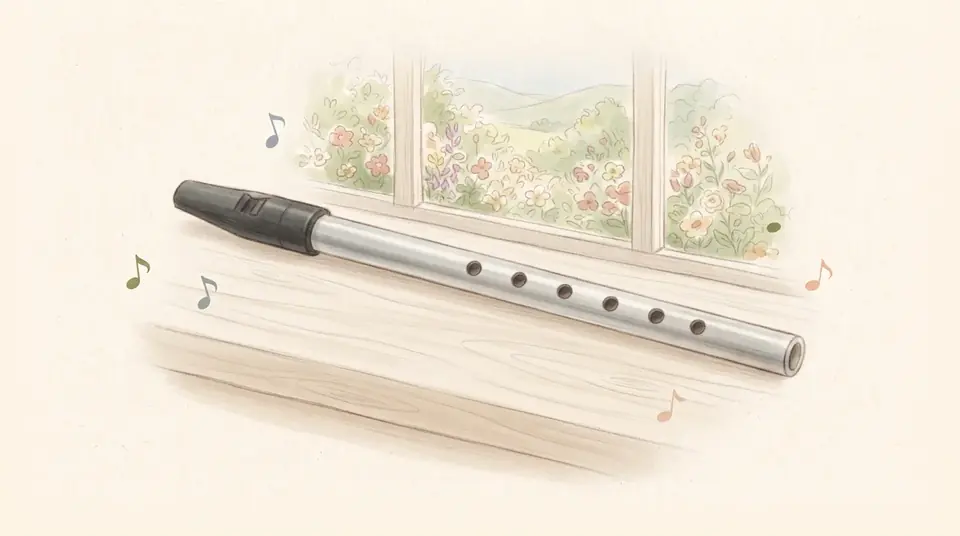
Low whistle
The tin whistle's big sibling: the same six holes and fingering, an octave lower, with a soft, deep, airy voice.
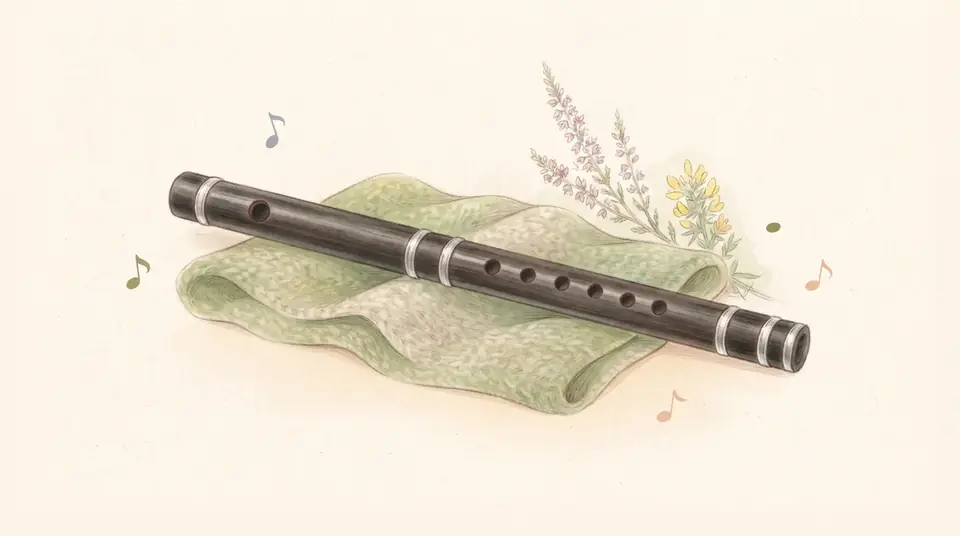
Irish flute
Ireland's wooden flute, played sideways: six holes, often no keys, and a warm, breathy voice made for jigs and reels.
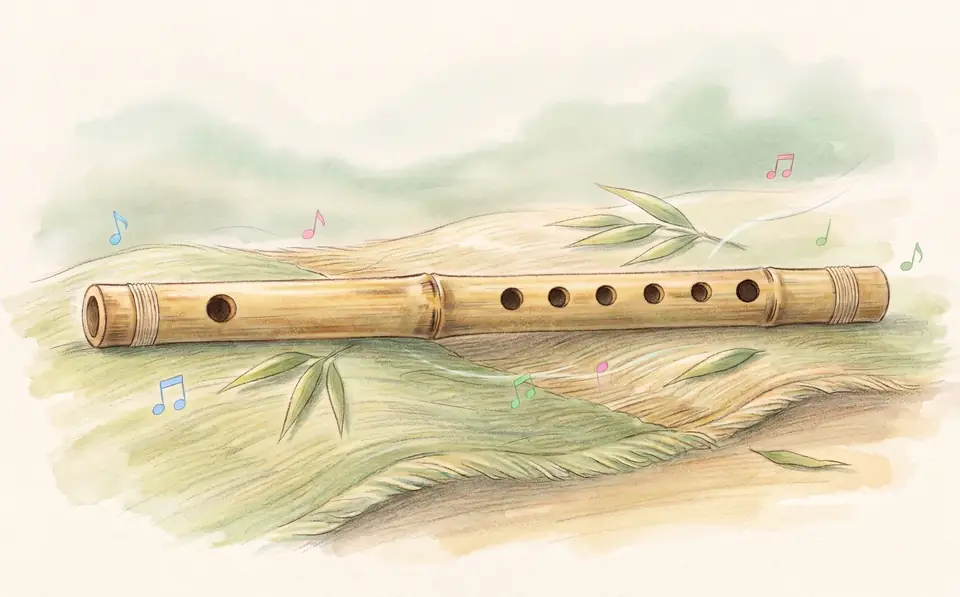
Bansuri
The Indian bamboo flute, played to the side, with six holes: tell it your bansuri's key, or play its lowest note, and its lessons follow.
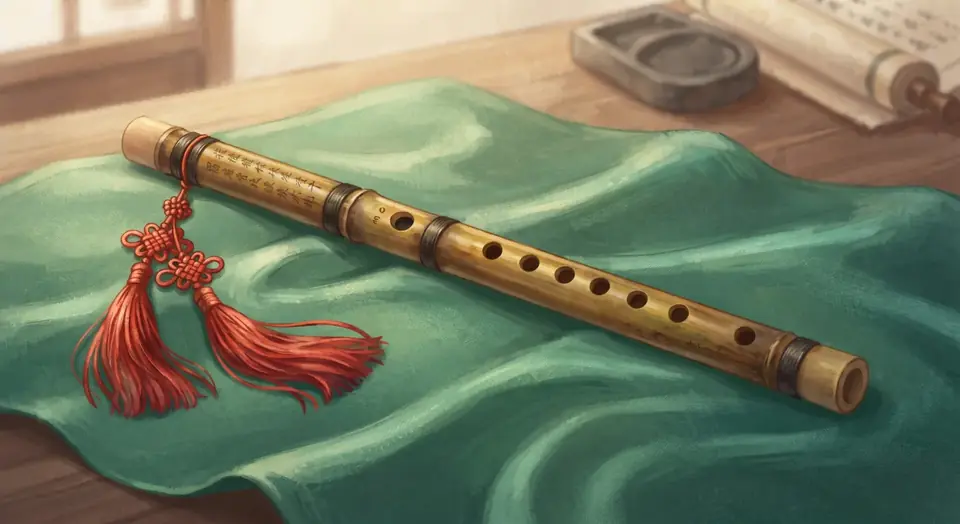
Dizi
China's bamboo side flute: six holes, and a thin membrane that buzzes and makes it ring bright.
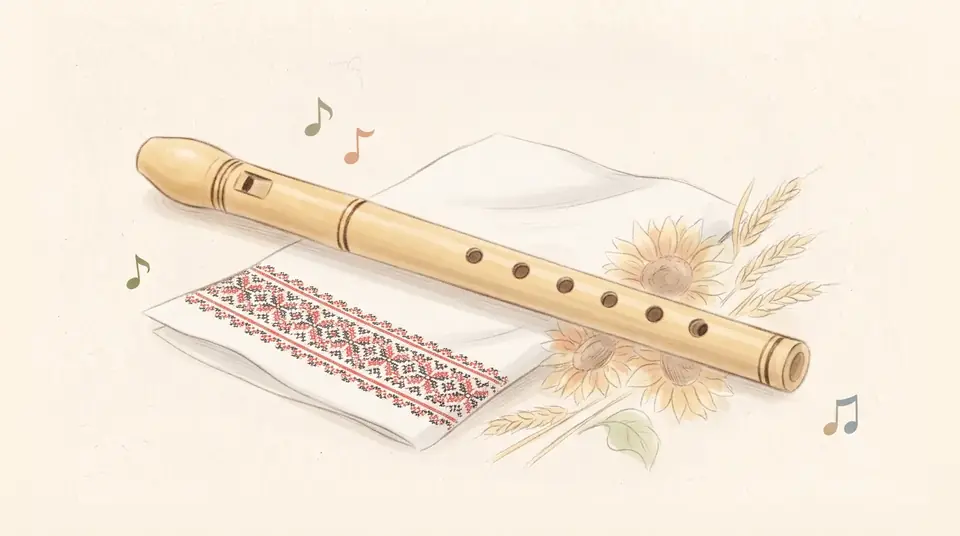
Sopilka
Ukraine's wooden folk flute: blown like a recorder, six holes on the folk one (ten on the modern chromatic sopilka), and a clear, bright voice from the countryside.
Your first notes
One new note in each lesson, with a short tune to play it in.
Your six-hole flute is the controller
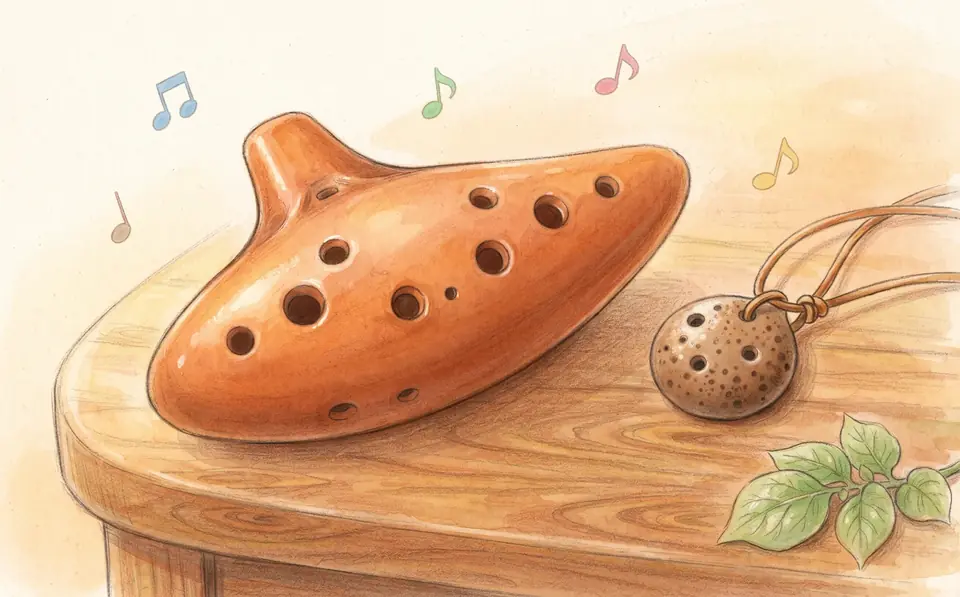
Three free games made for the ocarina and the recorder. Your six-hole flute can play them too: choose “Another instrument” when a game starts, and every note you play moves it.


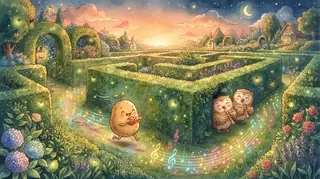
21 songs to practice
Note by note, then through in time, at your own pace.
No lesson today? Just play
Choose Free play and play anything you like. Each note shows big, with its fingering, and is written on a staff as you go.
- It knows the songsStart a tune from the song library and it tells you which one, shows the notes that come next, and opens its lesson with a tap.
- A band behind youA drone, a slow ballad, a lullaby, lo-fi, reggae, bossa nova or rock: drums, bass and chords, so whatever you play sounds like music.
- Hear yourselfPlay it back in your instrument's own sound.
- A tunerIn tune, a little high or a little low, and how long you held a note steady.
How it works
Three steps for every new note.
Listen
The teacher plays each new note first, so you know how it should sound.
See the fingers
A chart shows which holes to cover.
Play
It listens as you play: the right note gets a cheer, a wrong one shows what to fix.
It listens, and it watches
Many teachers on a screen only listen. This one also sees you play.
- It listensEvery note you play is heard: the right one gets a cheer, a wrong one shows what to fix.
- It watchesWith a camera it follows your hands and paints the fingering on them: which fingers press, which lift, and the finger to fix.
- PrivateThe picture and the sound stay on your device.
The notes, and how to finger them
Every note it teaches, in its color, with the fingering for each.
Six-hole flute (duct or side-blown, by flute) · held upright (the whistles, the sopilka) or across (the Irish flute, the bansuri, the dizi), by flute · 6 holes · by flute tone
Song packs
Themes from around the world, Christmas, half-holes and more: each pack comes with its songbook.


For parents (and teachers)
Practice at home, without standing by every note. Between lessons and in class, too.
- Free lessons. 20 lessons and 21 songs, nothing to install: it runs in the browser.
- Private. The camera and the microphone stay on your device; nothing is recorded or uploaded.
- At their own pace. Each note is practiced until it's right.
- Accounts for grown-ups. A child plays with a parent's or teacher's account; their stars are kept on every device.
We believe every child is born knowing how to play. Our values ›
Questions
Do I need a real instrument?
To play the lessons as they're meant, yes: the teacher listens to the notes you play, through a computer, tablet or phone with a microphone. No instrument at hand? For the recorder, the whistles and many of the flutes, fingering practice plays the lessons on the keyboard or the screen, with no microphone needed.
Do I need a camera?
No. With a camera you see the fingering painted on your own hands; without one, the lessons work by ear alone. The ocarina needs no camera at all: the teacher's hands show its fingering on a 3D ocarina.
Is it free?
Yes. For free you get 20 lessons that take you from your very first note to playing 16 notes (D to A′), and 21 songs to play, each with its fingering and help on every note. Nothing to install. Song packs add more songs, if you want them.
Is anything recorded?
No. The camera and the microphone stay on your device: nothing is recorded or uploaded.
Can children use it?
Yes, it's made for children's first steps, and for grown-ups starting out. Accounts are for grown-ups: a child plays with a parent's or teacher's account.
Which instruments?
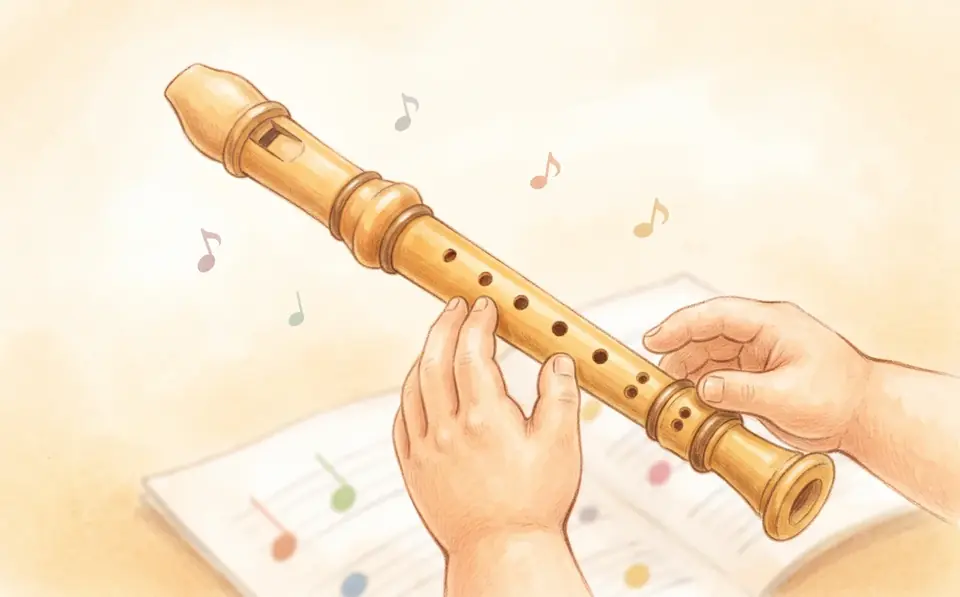
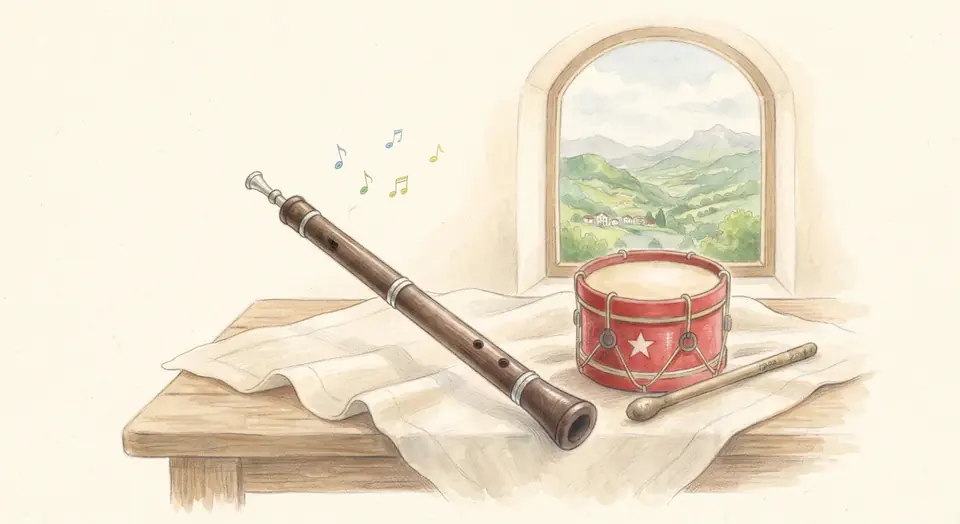
Recorder, Ocarina, Txistu, Six-hole flute. Choose yours at the top of the page, and change it at any time.
Ready? Grab your flute.
The first lesson takes a few minutes: you'll play your first note right away.
Start the first lessonYour instrument: Six-hole flute · Change